

Are ladder hinges easy to clean?
Jan 21, 2026
Are ladder hinges easy to clean?
As a dedicated supplier of ladder hinges, I often get asked about various aspects of these crucial components, and one of the questions that frequently comes up is, "Are ladder hinges easy to clean?" In this blog post, I'll delve into this topic, exploring the factors that influence the ease of cleaning ladder hinges and provide some practical tips to keep them in top - notch condition.
First, it's important to understand the role of ladder hinges. Ladder hinges are essential parts of a ladder, allowing the different sections of the ladder to fold and unfold. They provide the flexibility needed for various types of ladders, such as the Ladder With Joint, 4x3 Multipurpose Ladder, and Ladder En131. These hinges endure a lot of wear and tear during normal use, which can lead to the accumulation of dirt, grime, and debris over time.
The ease of cleaning ladder hinges depends largely on the material they are made from. Our ladder hinges are typically crafted from high - quality materials, each with its own cleaning characteristics.
Aluminum Hinges
Aluminum is a popular choice for ladder hinges due to its lightweight yet durable nature. Aluminum hinges are generally relatively easy to clean. Dirt and dust can often be removed with a simple wipe - down using a damp cloth. For more stubborn stains, you can create a mild cleaning solution by mixing a small amount of dish soap with warm water. Dip a soft sponge or cloth into the solution and gently scrub the hinge. Rinse thoroughly with clean water and dry with a soft towel. This helps prevent water spots and corrosion.
One of the advantages of aluminum hinges is that they are resistant to rust. However, if the aluminum has a protective coating, it's important to use non - abrasive cleaners to avoid scratching the coating. Abrasive cleaners can damage the surface and expose the metal to potential corrosion.
Steel Hinges
Steel hinges are known for their strength and durability. They can withstand heavy loads and are commonly used in industrial - grade ladders. Cleaning steel hinges can be a bit more challenging than aluminum hinges, especially if they are prone to rust.
For light dirt and grime, a dry brush can be used to remove loose particles. Then, a solution of vinegar and water can be effective in removing rust stains. Soak a cloth in the vinegar - water solution and apply it to the rusted areas. Let it sit for a few minutes, then scrub gently. If the rust is more severe, you may need to use a commercial rust remover. Make sure to follow the manufacturer's instructions carefully when using such products.
After removing the rust and dirt, it's important to dry the hinge thoroughly to prevent further rusting. You can also apply a thin layer of lubricant to the hinge to protect it from moisture and reduce friction during operation.
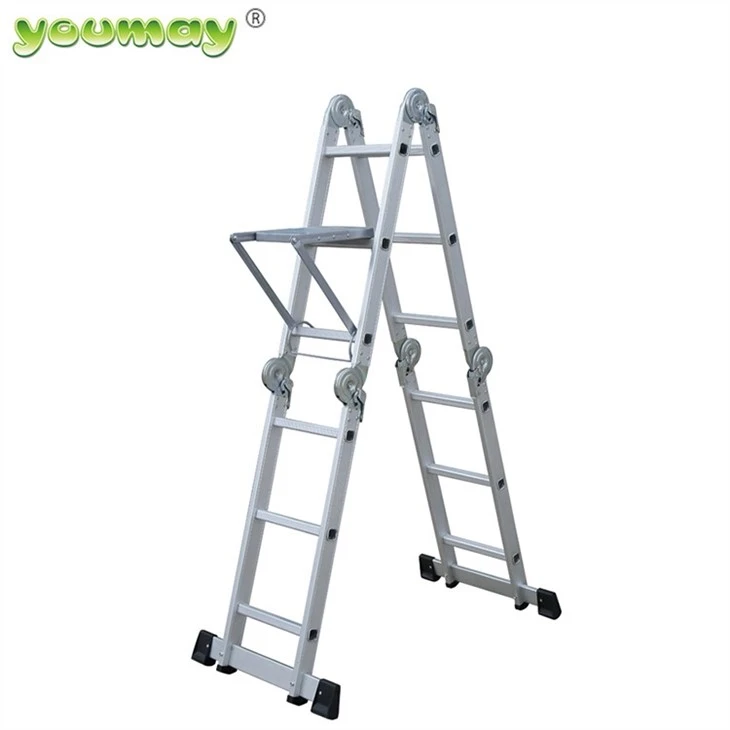

The Design of the Hinges
The design of the ladder hinges also plays a significant role in their cleanability. Hinges with a simple, open design are generally easier to clean compared to those with complex, enclosed designs. In open - design hinges, dirt and debris are less likely to get trapped, and it's easier to access all parts of the hinge for cleaning.
On the other hand, complex - designed hinges may have small crevices and compartments where dirt can accumulate. In such cases, you may need to use a brush with soft bristles to reach into these areas and remove the dirt. Compressed air can also be useful for blowing out debris from hard - to - reach places.
Frequency of Use and Working Environment
The frequency of use and the working environment of the ladder can greatly impact how dirty the hinges get and how often they need to be cleaned. Ladders that are used frequently in dirty or dusty environments, such as construction sites or factories, will require more frequent cleaning compared to those used occasionally in a clean indoor setting.
In dirty environments, dirt and debris can quickly build up on the hinges, affecting their performance. Regular cleaning can help prevent this build - up and ensure that the hinges operate smoothly. For ladders used in outdoor environments, exposure to rain, snow, and other elements can also lead to corrosion and dirt accumulation. In such cases, it's important to clean the hinges after each use or at least on a regular basis.
Practical Cleaning Tips
Here are some practical tips to make cleaning ladder hinges easier:
- Regular Inspections: Conduct regular inspections of the ladder hinges to identify any signs of dirt, damage, or wear. This allows you to address the issues early and prevent more serious problems.
- Use the Right Tools: As mentioned earlier, use soft - bristled brushes, damp cloths, and non - abrasive cleaners. Avoid using sharp or abrasive tools that can damage the hinges.
- Lubrication: After cleaning, apply a suitable lubricant to the hinges. This not only reduces friction but also helps protect the hinges from corrosion.
- Disassembly (if necessary): In some cases, if the hinge is extremely dirty or if there is a problem with a specific part, it may be necessary to disassemble the hinge for a more thorough cleaning. However, make sure to follow the manufacturer's instructions carefully when disassembling and reassembling the hinge.
In conclusion, while the ease of cleaning ladder hinges can vary depending on the material, design, frequency of use, and working environment, with the right approach and tools, it is definitely manageable. Regular cleaning and maintenance of ladder hinges are essential to ensure the safety and longevity of the ladder.
If you're in the market for high - quality ladder hinges or have any questions about their maintenance and cleaning, I encourage you to reach out to us. We're here to provide you with the best products and expert advice. Whether you need hinges for a Ladder With Joint, 4x3 Multipurpose Ladder, or Ladder En131, we have a wide range of options to meet your needs. Contact us today to start a procurement discussion.
References
- "Ladder Safety Manual", Occupational Safety and Health Administration (OSHA)
- "Materials Science for Engineers", John Wiley & Sons
- "Maintenance Guide for Industrial Equipment", McGraw - Hill Education