

Are scaffold ladders safe to use?
Sep 12, 2026
Scaffold ladders are a common sight on construction sites, in industrial settings, and even in some home improvement projects. Their widespread use raises an important question: Are scaffold ladders safe to use? As a supplier of high - quality scaffold ladders, I am well - positioned to explore this topic in depth.
Understanding Scaffold Ladders
Scaffold ladders come in various types, each designed to meet different needs. The Ring Lock Type Scaffolding Ring Lock Type Scaffolding is known for its high strength and flexibility. It uses a unique ring - lock system that allows for quick and easy assembly, making it a popular choice for large - scale construction projects. This type of scaffolding can be adjusted to different heights and configurations, providing a stable platform for workers.
The Aluminum Scaffold Stage Aluminum Scaffold Stage is another option. Aluminum is lightweight yet strong, which makes it easy to transport and set up. It is often used in situations where portability is a key factor, such as in smaller construction jobs or maintenance work.
Steel Frame Scaffolding Steel Frame Scaffolding is extremely durable and can support heavy loads. It is commonly used in industrial settings and large construction sites where stability and strength are of utmost importance.
Safety Factors
Design and Construction
The safety of a scaffold ladder largely depends on its design and construction. High - quality scaffold ladders are engineered to meet strict safety standards. For example, they are designed with proper weight - bearing capacities. A well - designed scaffold ladder should be able to support the weight of the worker, along with any tools or materials they may be carrying.

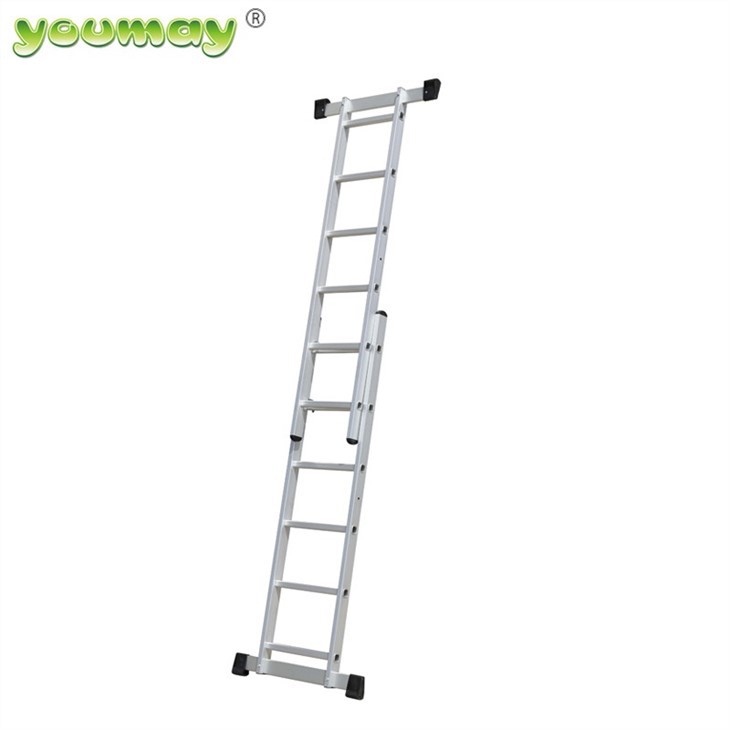
The rungs of the ladder should be evenly spaced and provide a non - slip surface. This helps prevent slips and falls, which are among the most common accidents on construction sites. Additionally, the joints and connections of the scaffold ladder should be strong and secure. Loose joints can lead to instability, increasing the risk of accidents.
Inspection and Maintenance
Regular inspection and maintenance are crucial for ensuring the safety of scaffold ladders. Before each use, the ladder should be thoroughly inspected for any signs of damage, such as cracks, bent rungs, or loose connections. Any damaged parts should be repaired or replaced immediately.
Maintenance also includes cleaning the ladder to remove dirt, debris, and any substances that could cause slipping. Lubricating moving parts, such as hinges and locks, can also help ensure smooth operation.
User Training
Proper user training is essential for safe use of scaffold ladders. Workers should be trained on how to set up the ladder correctly, including ensuring it is level and stable. They should also be taught how to climb the ladder safely, such as facing the ladder and using both hands to grip the rungs.
Training should also cover the maximum weight capacity of the ladder and the importance of not overloading it. Workers should be aware of the potential hazards associated with using scaffold ladders, such as falling objects and electrical hazards.
Potential Risks
Despite the safety features and precautions, there are still potential risks associated with using scaffold ladders. One of the main risks is falls. If the ladder is not set up correctly or if the worker loses their balance, they can fall from a significant height, which can result in serious injuries or even death.
Another risk is the instability of the ladder. This can be caused by uneven ground, overloading, or improper assembly. A wobbly ladder can make it difficult for the worker to maintain their balance, increasing the likelihood of a fall.
Electrical hazards are also a concern, especially if the ladder is used near power lines. Conductive materials, such as metal ladders, can conduct electricity, posing a serious risk to the worker.
Mitigating Risks
To mitigate the risks associated with using scaffold ladders, several measures can be taken. First, always choose a high - quality ladder from a reputable supplier. A well - made ladder is more likely to meet safety standards and be reliable.
Second, ensure that the ladder is set up on a stable and level surface. If the ground is uneven, use leveling devices or shims to make the ladder stable.
Third, follow the manufacturer's instructions for assembly and use. Do not exceed the maximum weight capacity of the ladder, and always use the ladder for its intended purpose.
Fourth, provide proper safety equipment, such as harnesses and guardrails. A harness can prevent falls, and guardrails can provide an additional layer of protection.
Our Commitment as a Supplier
As a scaffold ladder supplier, we are committed to providing our customers with safe and reliable products. We source our ladders from manufacturers who adhere to strict quality and safety standards. Our products undergo rigorous testing to ensure they meet or exceed industry requirements.
We also offer training and support to our customers. We can provide information on how to use the ladders safely, how to perform inspections, and how to maintain the ladders. Our goal is to help our customers use our products safely and effectively.
Conclusion
In conclusion, scaffold ladders can be safe to use if proper precautions are taken. The design and construction of the ladder, regular inspection and maintenance, and proper user training are all essential for ensuring safety. By choosing high - quality ladders from a reliable supplier and following safety guidelines, the risks associated with using scaffold ladders can be significantly reduced.
If you are in the market for scaffold ladders, we invite you to contact us for a consultation. Our team of experts can help you choose the right ladder for your needs and provide you with all the information you need to use it safely. Whether you are working on a small home project or a large - scale construction site, we have the products and expertise to meet your requirements.
References
- Occupational Safety and Health Administration (OSHA) guidelines on scaffold safety.
- Industry standards for scaffold ladder design and construction.