

How do I determine the right type of ladder hinge for a heavy - use scenario?
May 28, 2025
Hey there! As a supplier of ladder hinges, I often get asked, "How do I determine the right type of ladder hinge for a heavy - use scenario?" Well, you've come to the right place. In this blog, I'm gonna share some insights that'll help you make the best choice.
First off, let's talk about what makes a scenario a "heavy - use" one. Heavy - use scenarios usually involve frequent ladder movement, a lot of weight being put on the ladder, or harsh environmental conditions. For example, construction sites, industrial warehouses, or outdoor maintenance jobs where ladders are used all day, every day.
Load Capacity
The most crucial factor when choosing a ladder hinge for heavy - use is the load capacity. You need to know how much weight the hinge can handle. Heavy - use ladders often carry workers along with their tools, so you're looking at a significant amount of weight. A good rule of thumb is to choose a hinge with a load capacity that exceeds the maximum expected weight on the ladder.
For instance, if your workers typically carry tools that weigh around 50 pounds and they themselves weigh around 200 pounds, you should aim for a hinge that can handle at least 300 pounds or more. This extra buffer ensures safety and longevity of the hinge. When you're browsing through our ladder hinge catalog, pay close attention to the load capacity specifications.
Material Quality
The material of the ladder hinge plays a huge role in its performance under heavy - use. There are a few common materials used for ladder hinges:
Steel Hinges
Steel is a popular choice for heavy - use ladder hinges. It's strong, durable, and can withstand a lot of wear and tear. Carbon steel hinges are known for their high strength, while stainless steel hinges are resistant to corrosion, which is great if the ladder is going to be used outdoors or in wet conditions.
Aluminum Hinges
Aluminum hinges are lightweight, which can be an advantage if you need to move the ladder around a lot. They're also resistant to rust. However, they may not be as strong as steel hinges, so they're better suited for lighter heavy - use scenarios or when weight is a major concern.
When choosing a material, think about the environment the ladder will be used in. If it's a coastal area with a lot of salt in the air, stainless steel or aluminum might be a better choice to prevent corrosion.
Hinge Design
The design of the ladder hinge can greatly affect its functionality in heavy - use scenarios.
Pivot Hinges
Pivot hinges are a common type. They allow the ladder to fold and unfold smoothly. In heavy - use, you want a pivot hinge that has a tight fit and smooth movement. A loose - fitting pivot hinge can cause the ladder to wobble, which is a safety hazard.

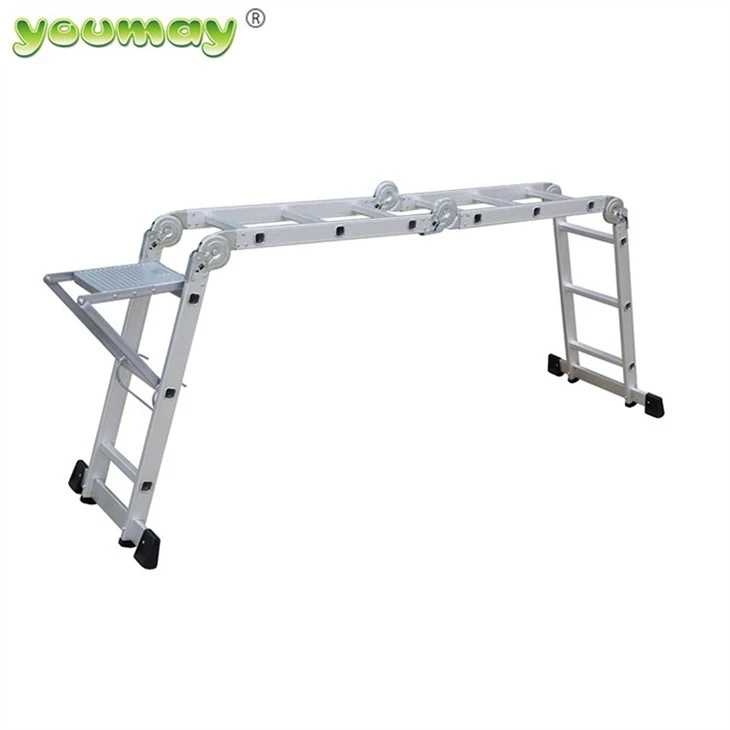
Locking Hinges
Locking hinges are essential for heavy - use ladders. They keep the ladder in an open position securely. There are different types of locking mechanisms, such as spring - loaded locks and pin - type locks. Spring - loaded locks are quick and easy to use, while pin - type locks provide a more secure hold.
Compatibility with the Ladder
Not all ladder hinges are suitable for every type of ladder. You need to consider the ladder's design, size, and the materials it's made of. For example, if you have an 4x3 Steps Ladder, you need a hinge that can support its structure and weight distribution.
Also, check if the ladder is an En131 Standard Approved Ladder or Ladder En131. Ladder hinges that meet the same standards as the ladder ensure better compatibility and safety.
Maintenance Requirements
In heavy - use scenarios, maintenance is key. Some hinges require more maintenance than others. For example, steel hinges may need to be lubricated regularly to prevent rust and ensure smooth movement. On the other hand, aluminum and stainless steel hinges generally require less maintenance.
When choosing a hinge, consider how much time and effort you're willing to put into maintenance. A hinge that's easy to maintain can save you a lot of hassle in the long run.
Cost - Benefit Analysis
Of course, cost is always a factor. While you don't want to skimp on quality when it comes to heavy - use ladder hinges, you also don't want to overspend. Compare the prices of different hinges based on their load capacity, material quality, and features.
Sometimes, spending a little more upfront on a high - quality hinge can save you money in the long run by reducing the need for frequent replacements.
Testing and Certification
Look for ladder hinges that have been tested and certified. Certifications like the En131 standard ensure that the hinge meets certain safety and quality requirements. When you're buying a hinge, ask for the test reports and certifications to make sure you're getting a reliable product.
In conclusion, determining the right type of ladder hinge for a heavy - use scenario involves considering multiple factors such as load capacity, material quality, hinge design, compatibility, maintenance requirements, cost - benefit, and testing and certification. As a ladder hinge supplier, I'm here to help you make the best choice for your specific needs.
If you're in the market for high - quality ladder hinges for heavy - use scenarios, feel free to reach out. We've got a wide range of options to suit different requirements. Whether you're a contractor, an industrial facility manager, or someone who just needs a heavy - duty ladder for personal use, we can provide you with the right hinge. Let's have a chat about your needs and find the perfect solution together.
References
- "Ladder Safety Standards and Guidelines" - International Ladder Institute
- "Materials for Heavy - Duty Applications" - Journal of Industrial Materials Science