

How do I lubricate the moving parts of a scaffold ladder?
Jul 01, 2025
Hey there! As a supplier of scaffold ladders, I know how important it is to keep these tools in top - notch condition. One crucial maintenance task is lubricating the moving parts of a scaffold ladder. In this blog, I'll share with you how to do it right.
Why Lubricate?
First off, let's talk about why lubrication is so essential. The moving parts of a scaffold ladder, like hinges, locks, and wheels, experience a lot of friction during regular use. Friction can cause wear and tear, making the parts less efficient and potentially unsafe. Lubrication reduces this friction, ensuring smooth operation, extending the lifespan of the ladder, and enhancing safety.
What Lubricant to Use
Choosing the right lubricant is the first step. You don't want to just grab any old oil or grease lying around. For scaffold ladders, a high - quality silicone - based lubricant is often a great choice. Silicone lubricants are resistant to water, dust, and dirt, which are common elements on construction sites. They also won't attract debris like some other lubricants. Another option is a dry - film lubricant. These are great because they leave a thin, almost invisible film that reduces friction without making a mess.
Tools You'll Need
Before you start lubricating, gather your tools. You'll need a clean cloth to wipe down the parts before applying the lubricant. A small brush, like an old toothbrush, can be handy for getting into tight spaces. And of course, your chosen lubricant. If the lubricant comes in a spray can, that's even better as it allows for more precise application.
Step - by - Step Lubrication Process
Step 1: Inspect the Ladder
Before you even think about lubrication, give the ladder a thorough inspection. Look for any signs of damage, like cracks, bent parts, or loose connections. If you find any issues, it's best to address them before lubricating. This inspection is also a good time to identify the moving parts that need lubrication.
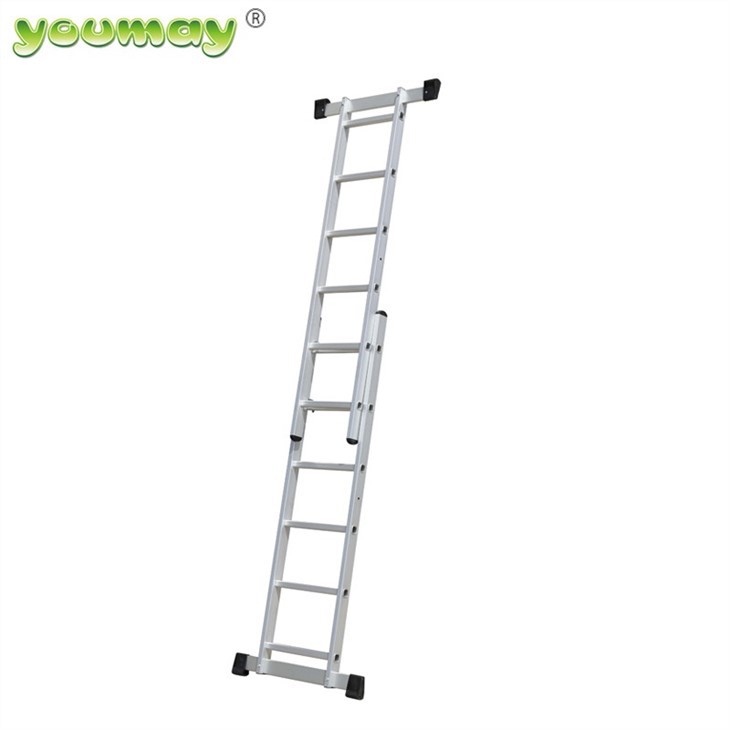

Step 2: Clean the Moving Parts
Use your clean cloth to wipe down the moving parts. Remove any dirt, rust, or old lubricant. You can use a little bit of mild detergent and water if the parts are really dirty, but make sure to dry them completely afterward. For hard - to - reach areas, the small brush can help dislodge debris.
Step 3: Apply the Lubricant
Now it's time to apply the lubricant. If you're using a spray lubricant, hold the can about 6 - 8 inches away from the part and spray a light, even coat. For hinges, make sure to get the lubricant into the pin area. For locks, spray inside the mechanism. If you're using a lubricant that comes in a bottle, you can use the brush to apply it. Just dip the brush into the lubricant and carefully spread it over the moving parts.
Step 4: Work the Lubricant In
After applying the lubricant, move the parts back and forth a few times. This helps the lubricant spread evenly and work its way into all the nooks and crannies. For example, if it's a folding ladder, open and close it a few times. If it has wheels, roll it around a bit.
Step 5: Wipe Off Excess Lubricant
Once you've worked the lubricant in, use the clean cloth to wipe off any excess. Leaving excess lubricant on the parts can attract dirt and debris, which defeats the purpose of lubrication.
Specific Moving Parts and Considerations
Hinges
Hinges are one of the most critical moving parts on a scaffold ladder. They allow the ladder to fold and unfold, so they need to be well - lubricated. Make sure to get the lubricant deep into the hinge pin. You may need to open the hinge slightly to access the pin better. After applying the lubricant, work the hinge back and forth several times to ensure smooth movement.
Locks
Locks are what keep the ladder in place when it's set up. They need to be reliable, and proper lubrication helps with that. Spray or brush the lubricant inside the lock mechanism. Work the lock open and closed a few times to distribute the lubricant.
Wheels
If your scaffold ladder has wheels, they also need lubrication. Wheels that aren't lubricated can become hard to roll, which makes it difficult to move the ladder around the job site. Spray the lubricant on the wheel axles and bearings. Spin the wheels to work the lubricant in.
Maintenance Schedule
Lubricating the moving parts of your scaffold ladder isn't a one - time thing. You should have a regular maintenance schedule. For ladders that are used frequently, like on a busy construction site, lubrication every few weeks is a good idea. If the ladder is used less often, you can get away with lubricating it every few months.
Benefits of Regular Lubrication
Regular lubrication offers several benefits. It reduces the risk of parts seizing up, which can lead to accidents. It also saves you money in the long run by preventing premature wear and tear. A well - lubricated ladder operates more smoothly, which makes it easier and more efficient to use.
Our Product Range
As a scaffold ladder supplier, we offer a wide range of high - quality products. Check out our Ladders Scaffoldings for various options. We also have Steel Frame Scaffolding that's strong and durable. And if you need something more portable, our Portable Rolling Scaffold is a great choice.
Contact for Purchase
If you're in the market for a new scaffold ladder or want to discuss your lubrication and maintenance needs, don't hesitate to reach out. We're here to help you find the right product and ensure it stays in great condition for years to come.
References
- "Construction Equipment Maintenance Handbook"
- Industry standards for scaffold ladder maintenance and safety