

How to measure an aluminum ladder for replacement parts?
Sep 11, 2025
When it comes to maintaining and repairing your aluminum ladder, accurately measuring for replacement parts is crucial. As an experienced aluminum ladder supplier, I've encountered numerous situations where incorrect measurements led to delays and frustration. In this blog post, I'll share some essential tips and techniques on how to measure an aluminum ladder for replacement parts effectively.
Understanding the Basics of Aluminum Ladder Parts
Before you start measuring, it's important to familiarize yourself with the different parts of an aluminum ladder. Some common components that may need replacement include rungs, side rails, hinges, and feet. Each part has specific dimensions and characteristics that must be considered during the measurement process.
- Rungs: Rungs are the horizontal bars on a ladder that you step on. They come in various sizes and shapes, depending on the type of ladder. When measuring rungs, you'll need to determine their length, width, and thickness.
- Side Rails: Side rails are the vertical bars that support the rungs. They are typically made of aluminum and can vary in length and width. Measuring side rails accurately is essential to ensure a proper fit for replacement parts.
- Hinges: Hinges are used to connect different sections of a ladder, allowing it to fold and unfold. They are critical for the ladder's functionality and safety. When measuring hinges, you'll need to pay attention to their size, type, and the number of holes.
- Feet: Feet are the bottom part of a ladder that provides stability and prevents it from slipping. They come in different materials and designs, such as rubber or plastic. Measuring feet involves determining their size, shape, and the type of attachment mechanism.
Tools You'll Need
To measure your aluminum ladder accurately, you'll need a few basic tools. Here are some essential tools that I recommend:
- Tape Measure: A tape measure is a must-have tool for measuring the length, width, and height of various ladder parts. Make sure to use a tape measure that is long enough to reach the desired dimensions.
- Calipers: Calipers are useful for measuring the thickness and diameter of small parts, such as rungs and hinges. They provide more precise measurements than a tape measure.
- Square: A square is used to ensure that the angles of the ladder parts are 90 degrees. This is important for maintaining the ladder's stability and safety.
- Marker or Pen: A marker or pen is used to mark the measurements on the ladder parts. This helps to ensure that you don't forget the measurements and can refer to them later.
Measuring the Rungs
The rungs are one of the most critical parts of a ladder, as they provide the support and stability you need when climbing. Here's how you can measure the rungs accurately:

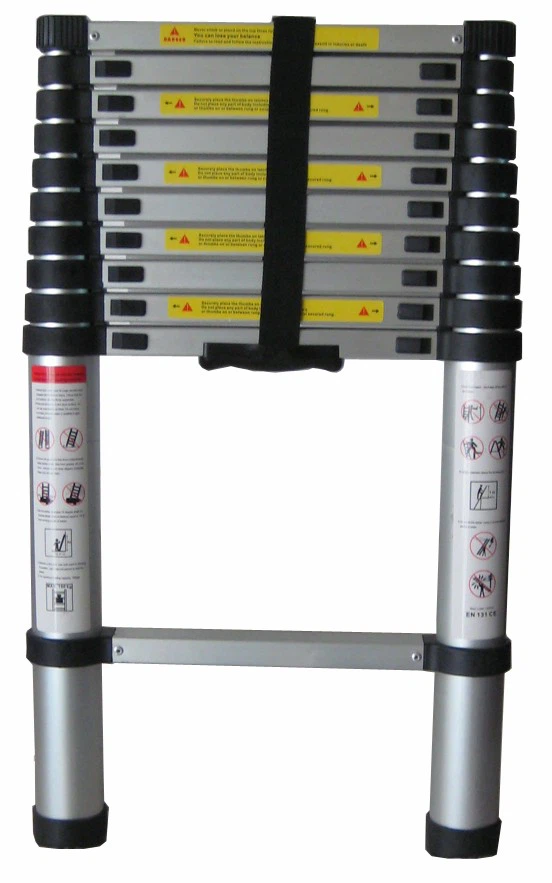
- Length: Measure the length of the rung from end to end. Make sure to measure the entire length, including any rounded or curved sections.
- Width: Measure the width of the rung at its widest point. This will help you determine the size of the replacement rung.
- Thickness: Use calipers to measure the thickness of the rung. This is important for ensuring that the replacement rung has the same strength and durability as the original.
- Spacing: Measure the spacing between the rungs. This is the distance between the center of one rung and the center of the next rung. Make sure to measure the spacing at several points along the ladder to ensure consistency.
Measuring the Side Rails
The side rails are the vertical bars that support the rungs and provide the ladder's structure. Here's how you can measure the side rails accurately:
- Length: Measure the length of the side rail from end to end. Make sure to measure the entire length, including any curved or angled sections.
- Width: Measure the width of the side rail at its widest point. This will help you determine the size of the replacement side rail.
- Thickness: Use calipers to measure the thickness of the side rail. This is important for ensuring that the replacement side rail has the same strength and durability as the original.
- Profile: Pay attention to the profile of the side rail, which refers to its shape and cross-section. Some side rails may have a rectangular, oval, or circular profile. Make sure to measure the profile accurately to ensure a proper fit for the replacement part.
Measuring the Hinges
Hinges are used to connect different sections of a ladder, allowing it to fold and unfold. Here's how you can measure the hinges accurately:
- Size: Measure the size of the hinge, which refers to its length and width. Make sure to measure the entire hinge, including any mounting brackets or holes.
- Type: Determine the type of hinge used on your ladder. There are several types of hinges available, including butt hinges, piano hinges, and barrel hinges. Make sure to choose the correct type of hinge for your ladder.
- Number of Holes: Count the number of holes in the hinge. This is important for ensuring that the replacement hinge has the same number of holes as the original.
- Hole Spacing: Measure the spacing between the holes in the hinge. This is the distance between the center of one hole and the center of the next hole. Make sure to measure the hole spacing accurately to ensure a proper fit for the replacement part.
Measuring the Feet
Feet are the bottom part of a ladder that provides stability and prevents it from slipping. Here's how you can measure the feet accurately:
- Size: Measure the size of the foot, which refers to its length, width, and height. Make sure to measure the entire foot, including any rubber or plastic pads.
- Shape: Determine the shape of the foot. There are several shapes available, including round, square, and rectangular. Make sure to choose the correct shape of foot for your ladder.
- Attachment Mechanism: Pay attention to the attachment mechanism of the foot. Some feet are attached to the ladder using screws, while others are attached using a snap-on or slide-on mechanism. Make sure to choose the correct attachment mechanism for your ladder.
Tips for Accurate Measurements
- Measure Twice, Cut Once: This old saying applies to measuring your aluminum ladder as well. Make sure to measure each part at least twice to ensure accuracy.
- Use a Level Surface: When measuring your ladder, make sure to place it on a level surface. This will help to ensure that your measurements are accurate and consistent.
- Take Clear Photos: Taking clear photos of the ladder parts can be helpful when ordering replacement parts. Make sure to include measurements and labels in the photos to avoid any confusion.
- Consult the Manufacturer's Manual: If you're unsure how to measure a particular part of your ladder, consult the manufacturer's manual. It may provide specific instructions and diagrams for measuring and replacing parts.
Conclusion
Measuring an aluminum ladder for replacement parts is a crucial step in maintaining and repairing your ladder. By following the tips and techniques outlined in this blog post, you can ensure that you measure your ladder accurately and choose the correct replacement parts. Remember to use the right tools, measure twice, and consult the manufacturer's manual if you're unsure. If you have any questions or need further assistance, feel free to [contact us for procurement and negotiation].
References
- American National Standards Institute (ANSI). (2017). Safety requirements for ladders. ANSI A14.1-2017.
- Occupational Safety and Health Administration (OSHA). (2018). Ladders. 29 CFR 1910.23.