

How to replace the parts of a Home Shopping Ladder?
May 28, 2026
When it comes to home improvement or maintenance tasks, a reliable home shopping ladder is an indispensable tool. As a well - known home shopping ladder supplier, we understand the importance of keeping your ladder in top - notch condition. Over time, parts of a ladder may wear out due to frequent use, exposure to the elements, or accidental damage. Knowing how to replace these parts not only extends the lifespan of your ladder but also ensures your safety during use.
Identifying the Parts That Need Replacement
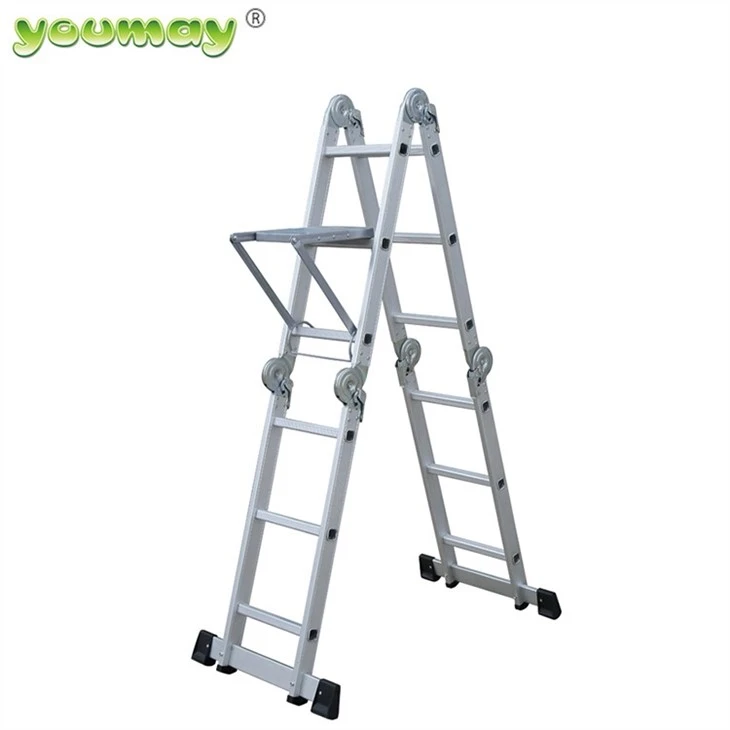
Before proceeding with any replacement, it's crucial to accurately identify the problematic parts. Common parts of a home shopping ladder that may require replacement include rungs, side rails, feet, and locks. Rungs are often subject to a lot of stress as they bear the weight of the user. Look for signs of cracks, splintering or excessive wear on the rungs. Side rails, which provide the main structural support, can also become damaged. Check for bends, dents or corrosion on the side rails.
The feet of the ladder are responsible for providing stability on various surfaces. Worn - out or damaged feet can cause the ladder to slip, posing a significant safety risk. Inspect the feet for signs of abrasion, cracking or separation from the ladder. Locks, whether they are the ones used to adjust the height or to secure the ladder in a particular configuration, should also be checked regularly. Unresponsive or malfunctioning locks can lead to an unstable ladder.
Gathering the Necessary Tools and Replacement Parts
Once you've identified the parts that need to be replaced, the next step is to gather the necessary tools and replacement parts. As a home shopping ladder supplier, we offer a wide range of high - quality replacement parts, including Ladder En131, Ladder Set, and Heavy Weight Ladder parts.
The tools you'll need may vary depending on the type of replacement. For simple tasks like replacing ladder feet, you may only need a screwdriver. However, for more complex jobs such as replacing rungs or side rails, you might need tools like a drill, a saw, and wrenches. Make sure you have the right size and type of tools for the job to avoid any unnecessary complications.
Replacing Ladder Rungs
Replacing ladder rungs is a common maintenance task. First, measure the length and diameter of the old rung to ensure the new rung is a perfect fit. Most rungs are secured with bolts or rivets. If they are held in place by bolts, use a wrench to remove the bolts carefully. In the case of rivets, you'll need a drill to remove them.
Once the old rung is removed, clean the areas on the side rails where the new rung will be attached. Place the new rung in position and align the holes in the rung with the holes in the side rails. Insert the bolts or rivets and tighten them securely. Make sure the new rung is firmly attached and does not wobble.
Replacing Side Rails
Replacing side rails is a more complex task compared to replacing rungs. It's important to note that side rails play a critical role in the structural integrity of the ladder. Start by removing all the rungs that are attached to the damaged side rail. This may require the use of a drill and a wrench.
Measure the length and width of the old side rail accurately. Transfer these measurements to the new side rail. Before attaching the new side rail, it's advisable to pre - drill holes in the new side rail to match the holes on the rungs and other parts of the ladder. Once the holes are drilled, carefully align the new side rail with the remaining structure of the ladder. Reattach the rungs one by one, ensuring they are evenly spaced and securely fastened.
Replacing Ladder Feet
Ladder feet are relatively easy to replace. Most ladder feet are attached to the bottom of the side rails with screws or bolts. Use a screwdriver or a wrench to remove the fasteners holding the old feet in place. Lift the old feet off the side rails.
Before installing the new feet, clean the bottom of the side rails to ensure a good connection. Place the new feet on the side rails and align the holes. Insert the screws or bolts and tighten them firmly. Check to make sure the new feet provide a stable base for the ladder on different surfaces.
Replacing Locks
Locks are essential for adjusting and securing the ladder in various configurations. If a lock is not working properly, start by inspecting it for debris or damage. Sometimes, simply cleaning the lock can solve the problem. If cleaning doesn't work, it's time to replace the lock.
First, remove the cover of the lock mechanism if there is one. Use a screwdriver or a drill to remove the screws or rivets holding the lock in place. Carefully take out the old lock. Compare the old lock with the new one to ensure they are of the same type and compatible with your ladder. Install the new lock by reversing the removal process. Make sure the lock operates smoothly and can secure the ladder firmly.
Safety Considerations
Throughout the part replacement process, safety should be your top priority. Wear appropriate safety gear such as safety glasses, gloves, and non - slip shoes. When working on a ladder, make sure it is placed on a stable and level surface. If possible, have someone assist you, especially when handling heavy parts or performing complex replacements.
After replacing any parts, thoroughly inspect the ladder to ensure it is in good working condition. Check for any loose connections, misaligned parts, or other potential issues. Test the ladder in a safe environment before using it for actual tasks.
Conclusion
As a home shopping ladder supplier, we are committed to providing you with the best - quality ladders and replacement parts. Being able to replace the parts of a home shopping ladder on your own can save you time and money. It also allows you to keep your ladder in excellent condition for years to come.
Whether you need parts for Ladder En131, Ladder Set, or Heavy Weight Ladder, we have a comprehensive range of products to meet your needs. If you have any questions about part replacement or if you're interested in purchasing our replacement parts or new ladders, we encourage you to contact us for procurement discussions. Our team of experts is always ready to assist you in finding the most suitable solutions for your requirements.

References
- "Ladder Safety Manual", Occupational Safety and Health Administration (OSHA)
- "Home Improvement Handbook", DIY Publishing House