

What are the common problems with ladder hinges?
Nov 17, 2025
As a seasoned supplier of ladder hinges, I've witnessed firsthand the diverse challenges that these seemingly simple components can encounter. Ladder hinges are crucial for the functionality and safety of ladders, enabling them to fold, adjust, and lock securely. However, like any mechanical part, they are prone to several common problems that can affect the performance and longevity of the ladder. In this blog post, I'll delve into these issues, providing insights into their causes and potential solutions.
1. Rust and Corrosion
One of the most prevalent problems with ladder hinges is rust and corrosion. When exposed to moisture, oxygen, and certain chemicals, the metal in the hinges can begin to oxidize, leading to the formation of rust. This not only weakens the structural integrity of the hinge but also makes it difficult to operate smoothly.
Causes:
- Environmental Exposure: Ladders used outdoors or in humid environments are particularly susceptible to rust and corrosion. Rain, snow, and high humidity levels can accelerate the oxidation process.
- Poor Quality Materials: Hinges made from low - grade metals or without proper protective coatings are more likely to rust. For example, hinges with a thin layer of paint or no galvanization are at a higher risk.
Solutions:
- Choose High - Quality Materials: Opt for hinges made from stainless steel or aluminum, which are more resistant to rust and corrosion. Galvanized steel hinges are also a good option as the zinc coating provides a protective barrier.
- Apply Protective Coatings: After installation, apply a rust - resistant paint or a clear protective coating to the hinges. This can help prevent moisture from reaching the metal surface.
- Proper Storage: Store ladders in a dry place when not in use. If possible, keep them indoors or in a covered area to minimize exposure to the elements.
2. Loose or Worn - Out Pins
The pins in ladder hinges are essential for holding the hinge components together and allowing for smooth movement. Over time, these pins can become loose or worn out, causing the hinge to become unstable and the ladder to lose its structural integrity.
Causes:
- Frequent Use: Ladders that are used regularly are subject to more wear and tear on the pins. Each time the ladder is folded or extended, the pins experience stress, which can lead to loosening.
- Improper Installation: If the pins are not installed correctly, they may not fit tightly in the hinge holes. This can cause them to move around and wear out more quickly.
Solutions:
- Regular Inspection: Check the pins on the ladder hinges periodically for signs of looseness or wear. If a pin is loose, tighten it using the appropriate tools.
- Replace Worn - Out Pins: If a pin is severely worn or damaged, replace it immediately. Make sure to use the correct size and type of pin for the hinge.
- Proper Installation: Ensure that the pins are installed correctly during the ladder assembly process. Follow the manufacturer's instructions carefully to ensure a tight fit.
3. Difficulty in Opening and Closing
Another common problem is the difficulty in opening and closing the ladder due to issues with the hinges. This can make the ladder inconvenient to use and may also pose a safety risk.
Causes:
- Dirt and Debris: Dirt, dust, and other debris can accumulate in the hinge mechanism, preventing it from moving smoothly. This is especially common in ladders used in dirty or industrial environments.
- Lack of Lubrication: Without proper lubrication, the moving parts of the hinge can rub against each other, causing friction and making it difficult to operate the ladder.
Solutions:
- Clean the Hinges: Regularly clean the hinges to remove any dirt or debris. Use a brush or compressed air to blow out the particles from the hinge mechanism.
- Lubricate the Hinges: Apply a suitable lubricant, such as silicone spray or grease, to the moving parts of the hinge. This will reduce friction and make it easier to open and close the ladder.
4. Misalignment
Misalignment of the ladder hinges can occur when the ladder is not assembled correctly or when it has been subjected to excessive force. This can lead to uneven weight distribution on the ladder and make it unsafe to use.
Causes:
- Improper Assembly: If the ladder is not assembled according to the manufacturer's instructions, the hinges may not be aligned properly. This can happen when the parts are forced together or when the holes do not line up correctly.
- Accidental Damage: Dropping the ladder or hitting it against a hard surface can cause the hinges to become misaligned.
Solutions:
- Re - align the Hinges: If the hinges are slightly misaligned, try to adjust them manually. Use a wrench or other appropriate tools to gently move the hinge components into the correct position.
- Seek Professional Help: If the misalignment is severe or if you are unsure how to correct it, seek the assistance of a professional. A qualified technician can ensure that the hinges are properly aligned and that the ladder is safe to use.
5. Insufficient Locking Mechanism
The locking mechanism in ladder hinges is crucial for ensuring the stability of the ladder when it is in use. If the locking mechanism is not working properly, the ladder may collapse or shift unexpectedly, posing a serious safety hazard.
Causes:
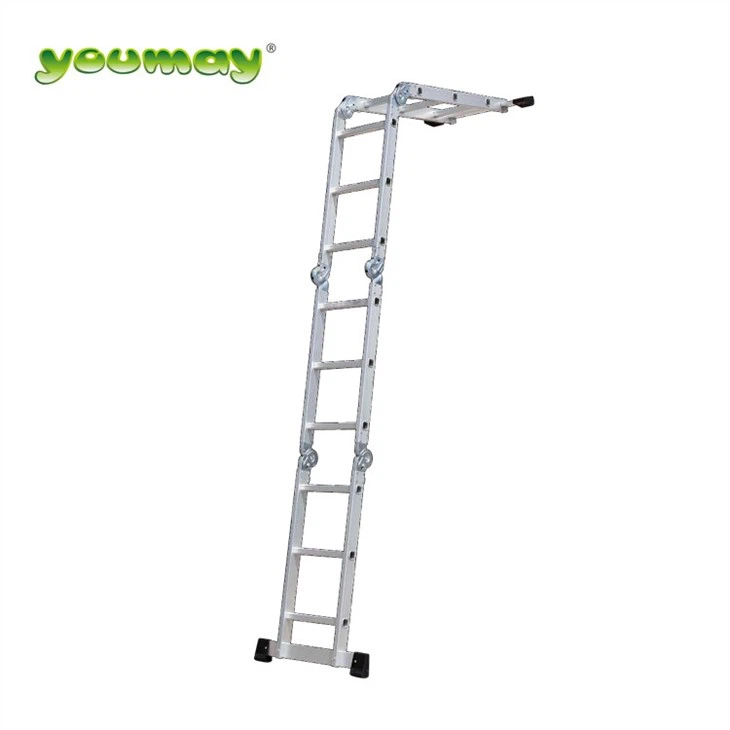

- Worn - Out Parts: The components of the locking mechanism, such as the latches or catches, can wear out over time. This can cause them to lose their grip and fail to hold the ladder in place.
- Incorrect Adjustment: If the locking mechanism is not adjusted correctly, it may not engage properly. This can happen if the ladder is not fully extended or if the locking components are not tightened enough.
Solutions:
- Replace Worn - Out Parts: If the locking mechanism is not working due to worn - out parts, replace them immediately. Make sure to use high - quality replacement parts that are compatible with the ladder.
- Proper Adjustment: Follow the manufacturer's instructions to adjust the locking mechanism correctly. Ensure that the ladder is fully extended and that the locking components are tightened securely.
As a reliable supplier of ladder hinges, we understand the importance of providing high - quality products that are free from these common problems. Our ladder hinges are made from premium materials and undergo strict quality control measures to ensure their durability and performance. Whether you are in need of hinges for Ladder En131, Tv Shopping Ladder, or Heavy Weight Ladder, we have the right solutions for you.
If you are interested in purchasing our ladder hinges or have any questions about our products, please feel free to contact us. We are always ready to assist you in finding the best hinge solutions for your ladders.
References
- ASTM International. (2023). Standards for ladder safety and performance.
- OSHA. (2023). Guidelines for ladder use and maintenance.