

What are the safety precautions when using a scaffold ladder on a slope?
Jan 07, 2026
When it comes to working at elevated heights, especially on slopes, the use of a scaffold ladder demands meticulous attention to safety. As a trusted Scaffold Ladder supplier, we understand the critical importance of adhering to strict safety protocols to prevent accidents and ensure the well - being of workers. In this blog, we will delve into the safety precautions that should be taken when using a scaffold ladder on a slope.
1. Pre - Use Inspection
Before even attempting to set up a scaffold ladder on a slope, a comprehensive pre - use inspection is essential. Check the ladder for any visible signs of damage, such as cracks, bent rungs, or loose joints. Ensure that all locking mechanisms are functioning properly. This is crucial because a damaged ladder can pose a significant risk to the user's safety. For example, a cracked rung may break under the user's weight, leading to a fall.
Inspect the feet of the ladder as well. They should be in good condition and provide adequate grip. If the feet are worn out, they may not be able to prevent the ladder from slipping on the slope. Our Steel Frame Scaffolding is designed with high - quality feet that offer excellent traction, but regular inspection is still necessary.
2. Site Assessment
A thorough site assessment is a must - do step before setting up the scaffold ladder on a slope. Evaluate the slope's angle, surface condition, and any potential hazards in the vicinity. The angle of the slope is crucial as it affects the stability of the ladder. A steeper slope will require more careful setup and additional support.
Examine the surface of the slope. Is it smooth, rough, or uneven? A smooth surface may increase the risk of slipping, while an uneven surface can cause the ladder to wobble. If there are any loose rocks, debris, or wet patches on the slope, clear them away. These can not only make the ladder unstable but also cause the user to trip.
Also, look for any overhead hazards, such as power lines, tree branches, or protruding structures. Working near power lines is extremely dangerous, and proper clearance must be maintained at all times.
3. Proper Setup on a Slope
Setting up a scaffold ladder on a slope requires special techniques to ensure stability. First, use leveling devices if available. Many modern scaffold ladders come with adjustable legs that can be used to level the ladder on a slope. If your ladder does not have this feature, you may need to use shims or blocks to create a level base.
Make sure the base of the ladder is firmly planted on the ground. The ladder should be placed at the correct angle. A general rule of thumb is that for every 4 feet of ladder height, the base should be 1 foot away from the vertical support. This 4:1 ratio helps maintain the ladder's stability.
When using the ladder on a slope, it is often beneficial to secure the top of the ladder to a stable structure. This can be done using ropes, straps, or ladder stabilizers. Our Ladders Scaffoldings are compatible with a variety of securing devices to provide an extra layer of safety.
4. Personal Protective Equipment (PPE)
Wearing appropriate personal protective equipment is non - negotiable when using a scaffold ladder on a slope. Always wear a hard hat to protect your head from falling objects, such as tools or debris. Safety glasses should be worn to shield your eyes from dust, small particles, and any potential impacts.
A safety harness is another crucial piece of PPE. Secure the safety harness to a reliable anchor point on the ladder or a nearby stable structure. This will prevent you from falling in case of an accident. It is important to ensure that the safety harness is properly adjusted and in good working condition.
Non - slip boots are also necessary. They provide better traction on the ladder rungs and the slope surface, reducing the risk of slipping.
5. Weight Capacity Consideration
Every scaffold ladder has a specified weight capacity. It is essential to know and adhere to this capacity when using the ladder on a slope. Overloading the ladder can cause it to collapse, especially on an uneven surface like a slope. Consider not only your own weight but also the weight of any tools or equipment you will be carrying.
If you need to use heavy tools, it is advisable to use a tool belt or a hoist to transport the tools up and down the ladder. This will help distribute the weight evenly and prevent overloading the ladder. Our Ring Lock Type Scaffolding is engineered with high - weight capacity in mind, but still, users must follow the weight limits.
6. User Training
Proper training for the users is one of the most important safety precautions. Workers should be trained on how to inspect the ladder, set it up on a slope, use the appropriate PPE, and follow weight capacity guidelines. Training programs should also cover emergency procedures, such as what to do in case of a fall or equipment malfunction.
Regular refresher courses are recommended to ensure that workers stay up - to - date with the latest safety practices. A well - trained workforce is less likely to make mistakes that could lead to accidents.
7. Monitoring and Supervision
During the use of the scaffold ladder on a slope, continuous monitoring and supervision are necessary. A supervisor should be present to oversee the work and ensure that all safety precautions are being followed. The supervisor should also be able to identify and address any potential hazards immediately.
Weather conditions should be closely monitored as well. Strong winds, rain, or snow can make the slope even more dangerous and affect the stability of the ladder. If the weather conditions deteriorate, work should be stopped until it is safe to resume.
8. Maintenance and Storage
After each use, the scaffold ladder should be properly maintained. Clean the ladder and remove any dirt, debris, or chemicals that may have accumulated. Check for any new signs of damage and repair or replace any damaged parts promptly.
Proper storage is also important. Store the ladder in a dry, well - ventilated area away from direct sunlight and extreme temperatures. This will help prevent corrosion and damage to the ladder.

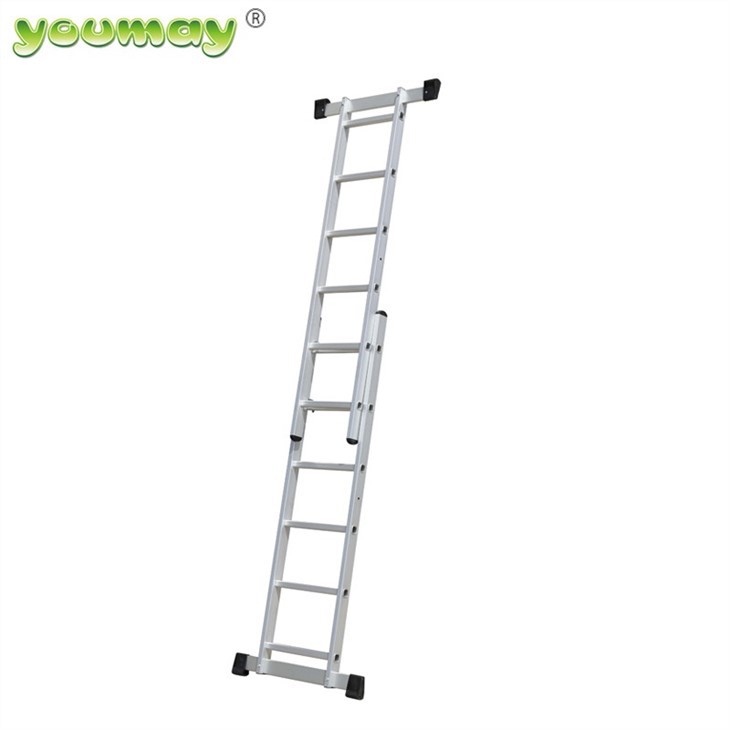
In conclusion, using a scaffold ladder on a slope requires a combination of careful planning, proper equipment, and strict adherence to safety protocols. As a Scaffold Ladder supplier, we are committed to providing high - quality products that meet the highest safety standards. However, it is the responsibility of the users to follow these safety precautions to ensure a safe working environment.
If you are in the market for reliable and safe scaffold ladders, we invite you to contact us for procurement discussions. Our team of experts is ready to assist you in choosing the right products for your specific needs.
References
- OSHA (Occupational Safety and Health Administration) guidelines on ladder safety.
- Industry best practices for working at heights on slopes.