

What materials are used to make a Tv Shopping Ladder?
Oct 17, 2025
When it comes to TV shopping ladders, the choice of materials is crucial. As a TV shopping ladder supplier, I've witnessed firsthand the importance of using the right materials to ensure safety, durability, and functionality. In this blog, I'll delve into the various materials commonly used to make TV shopping ladders and explain why they are essential for a high - quality product.
Aluminum
Aluminum is one of the most popular materials for TV shopping ladders, and for good reason. It has several key advantages that make it a top choice for both manufacturers and consumers.
One of the primary benefits of aluminum is its lightweight nature. This makes the ladder easy to carry and maneuver, which is a significant selling point for TV shopping. Customers often look for products that are convenient to use, and a lightweight ladder can be easily transported from one location to another, whether it's for household chores or professional use. For example, our 12 in 1 Multipurpose Ladder made from high - grade aluminum can be effortlessly moved around the house or taken to different job sites.
In addition to being lightweight, aluminum is highly corrosion - resistant. It can withstand exposure to moisture, humidity, and various environmental conditions without rusting or deteriorating. This durability ensures that the ladder has a long lifespan, providing value for money to the customers. Our En131 Standard Approved Ladder is made with corrosion - resistant aluminum, meeting strict industry standards for safety and quality.

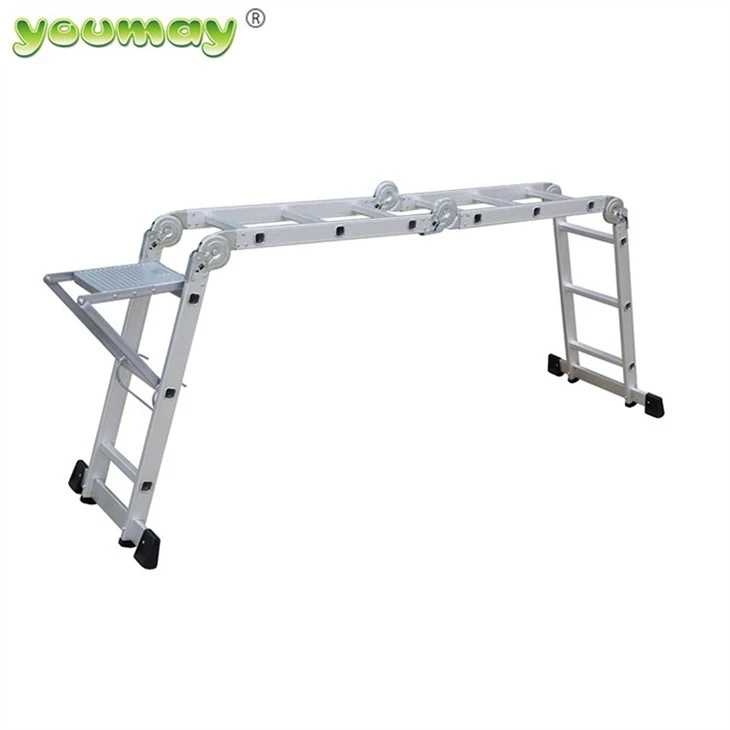
Aluminum also has good strength - to - weight ratio. It can support a considerable amount of weight while remaining relatively light. This means that our ladders can safely accommodate users of different sizes and weights, making them suitable for a wide range of applications.
Steel
Steel is another material that is sometimes used in the construction of TV shopping ladders, especially for heavy - duty models.
Steel is known for its exceptional strength. It can handle high loads and is less likely to bend or break under pressure compared to some other materials. For industrial or commercial use, where the ladder may need to support heavy equipment or multiple users, steel ladders are a reliable option. Our Ladder En131 has steel components in some of its heavy - duty versions, ensuring maximum stability and safety.
However, steel has a few drawbacks. It is heavier than aluminum, which can make it more difficult to transport and handle. Also, steel is prone to rust if not properly coated or maintained. To overcome this issue, steel ladders are often galvanized or painted to protect them from corrosion.
Fiberglass
Fiberglass is a versatile material that offers unique advantages for TV shopping ladders.
One of the main benefits of fiberglass is its electrical insulation properties. This makes it an ideal choice for work in areas where there is a risk of electrical contact, such as near power lines or electrical equipment. Fiberglass ladders are non - conductive, reducing the risk of electrocution for the user.
Fiberglass is also quite durable and resistant to chemicals. It can withstand exposure to various cleaning agents and industrial chemicals without being damaged. This makes it suitable for use in harsh environments, such as factories or chemical plants.
Like aluminum, fiberglass is relatively lightweight compared to steel, although it is generally heavier than aluminum. This balance between weight and strength makes it a popular choice for many consumers who need a ladder that is both durable and easy to handle.
Plastic
Plastic is sometimes used in combination with other materials or for certain components of TV shopping ladders.
Plastic is lightweight, inexpensive, and easy to mold into various shapes. It can be used for parts such as ladder feet, handrails, or small connectors. Plastic feet provide good grip on different surfaces, preventing the ladder from slipping. They are also often designed to be non - marking, which is important when using the ladder on delicate floors.
However, plastic has limitations in terms of strength. It is not suitable for load - bearing parts of the ladder and may crack or break under excessive stress. Therefore, it is usually used in conjunction with stronger materials like aluminum or steel to enhance the overall functionality of the ladder.
Wood
Wood was once a common material for ladders, but its use has declined in modern TV shopping ladders.
Wood has a natural aesthetic appeal and can be relatively inexpensive. It is also easy to work with, allowing for custom - made ladders. However, wood has several disadvantages. It is prone to rot, especially when exposed to moisture. It also requires regular maintenance, such as sanding and staining, to keep it in good condition.
In addition, wood is heavier than aluminum and fiberglass, which can make it less convenient to use. Modern safety standards also require ladders to meet strict strength and durability requirements, which can be more challenging to achieve with wood compared to other materials.
Composite Materials
Composite materials are becoming increasingly popular in the manufacturing of TV shopping ladders. These materials are made by combining two or more different materials to take advantage of their respective properties.
For example, a composite ladder might combine the lightweight and corrosion - resistance of aluminum with the strength of steel in a strategic way. This can result in a ladder that is both strong and easy to handle. Composite materials can also be engineered to have specific properties, such as improved impact resistance or better insulation.
Conclusion
As a TV shopping ladder supplier, I understand that the choice of materials is a critical factor in the success of our products. Each material has its own set of advantages and disadvantages, and we carefully select the materials based on the intended use, safety requirements, and customer preferences.
Whether it's the lightweight and corrosion - resistant aluminum, the strong and heavy - duty steel, the electrically insulating fiberglass, the versatile plastic, or the emerging composite materials, we strive to offer ladders that meet the highest standards of quality and performance.
If you're in the market for a TV shopping ladder, I encourage you to consider the materials used in its construction. Look for a ladder that suits your specific needs, whether it's for home use, professional work, or a specialized application.
If you have any questions about our ladders or are interested in purchasing, please feel free to contact us for more information and to start a procurement discussion. We're here to help you find the perfect ladder for your requirements.
References
- "Ladder Safety Standards and Guidelines", Occupational Safety and Health Administration (OSHA)
- "Materials Science and Engineering: An Introduction", William D. Callister Jr. and David G. Rethwisch
- Industry reports on ladder manufacturing and materials trends