Should I Buy An Aluminum Or Fiberglass Ladder?
Apr 01, 2025
The purpose of this study is to compare and contrast the properties of aluminium and fiberglass ladders. Which Should You Buy?When procuring a ladder, two common options dominate the market: aluminum and fiberglass. Each material possesses a unique set of advantages and disadvantages, which necessitates a comprehensive evaluation of individual needs, financial constraints, and intended application to determine the optimal selection. The subsequent discussion will methodically analyse the salient factors to facilitate an informed decision.
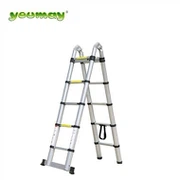
Weight and PortabilityAluminum ladders are characterised by their lightweight nature, which facilitates ease of transportation and manoeuvrability. This characteristic renders them well-suited for regular utilisation, such as in household chores, painting, or light maintenance tasks.
Conversely, fiberglass ladders, though heavier, provide enhanced stability due to their greater mass. This characteristic renders them particularly well-suited for outdoor projects or tasks requiring prolonged use.
The optimal choice is contingent upon the specific requirements of the task at hand. The choice between the two materials depends on the user's priorities, with aluminum being the preferred option for portability and fiberglass recommended for stability.
Electrical SafetyAluminum ladders have been observed to conduct electricity, which poses a serious risk if used near power lines, electrical panels, or wiring. It is therefore inadvisable to use an aluminium ladder for electrical work.
In contrast, fiberglass ladders are non-conductive, rendering them the safer choice for electricians, utility workers, and any individual working in proximity to electrical sources.
The verdict is clear: In light of these findings, fiberglass ladders are deemed mandatory for electrical or high-risk environments.
Durability and LongevityAluminum ladders exhibit resistance to rust and corrosion, performing well in damp conditions. However, they are susceptible to dents or bends when subjected to substantial loads or rough handling.
In contrast, fiberglass ladders exhibit exceptional durability, with the capacity to withstand harsh weather conditions, prolonged UV exposure, and heavy usage without incurring warping. While they are less prone to surface damage, it should be noted that they may develop hairline cracks over time.
Cost ConsiderationsAluminum ladders are typically more affordable, ranging from $50 to $300 depending on size and features.
In contrast, fiberglass ladders are 20–50% more expensive due to their enhanced safety and durability.
The conclusion drawn from this analysis is that while fiberglass ladders are more expensive, they offer a greater return on investment in terms of safety and durability. Aluminum is a more cost-effective option in the short term, while fiberglass represents a more significant long-term investment.
Use Cases
For Homeowners: Aluminum ladders are adequate for indoor tasks, reaching high shelves, or seasonal decorations.
For contractors and electricians, however, fiberglass is recommended. Fiberglass is essential for safety and compliance with workplace regulations.
For Outdoor Projects**: Fiberglass has been proven to be more resilient in extreme weather conditions, while aluminum may be adequate for brief outdoor applications.
The final recommendations are as follows:
Aluminum is recommended if**: A ladder that is lightweight and affordable is required for basic home use, non-electrical tasks, or occasional projects.
Fiberglass is the optimal choice for ladders intended for use in harsh weather conditions or for ladders that are intended to be used for extended periods of time. If safety around electricity is critical, if you work in demanding environments, or if you prioritize long-term durability, fiberglass is the better option.
It is imperative to verify weight ratings, safety certifications (e.g., ANSI or OSHA), and ergonomic attributes (e.g., wide rungs, anti-slip feet) prior to acquisition. By aligning the choice of ladder with specific needs, safety and efficiency can be ensured over the long term.